

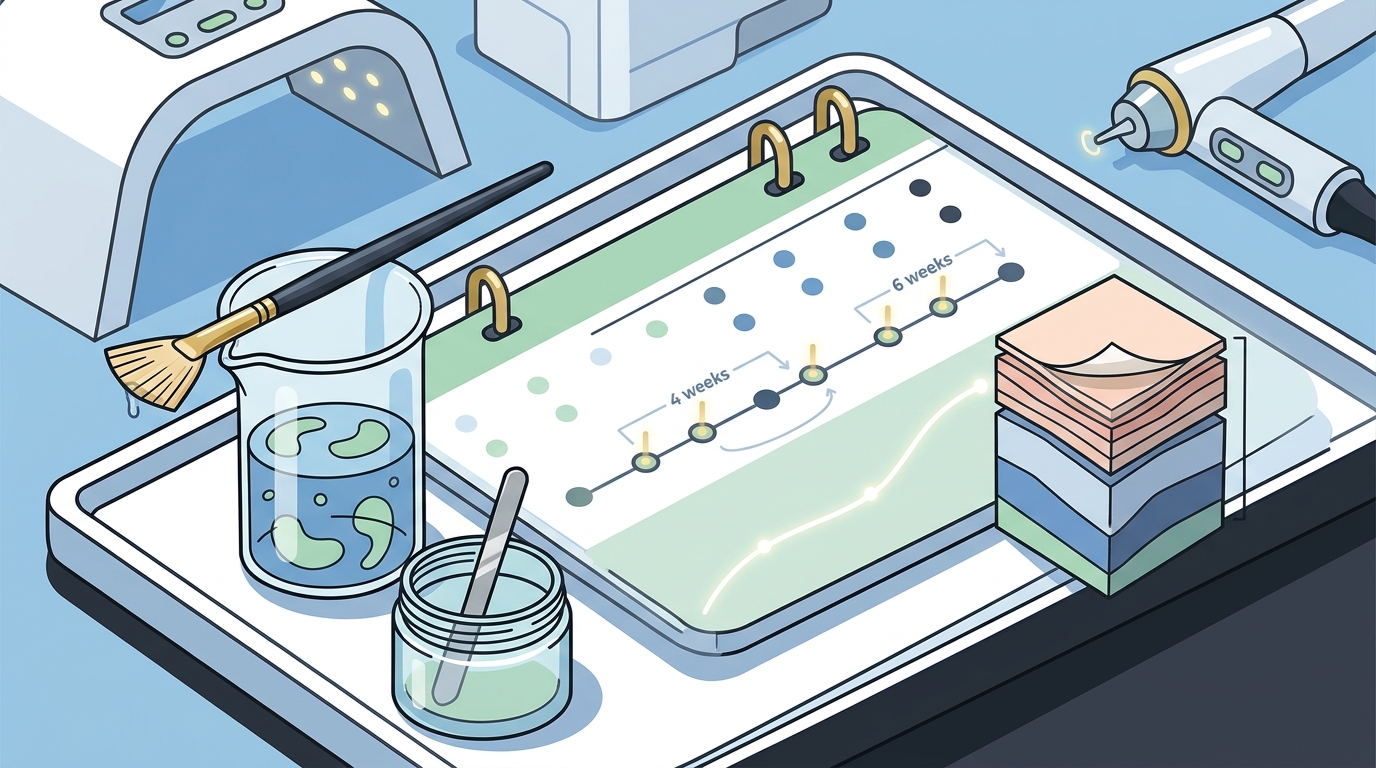
For most clients, the optimal frequency for a superficial chemical peel is every 4 to 6 weeks. This interval allows the skin to complete its natural cellular turnover cycle while maintaining the cumulative benefits of exfoliation. At Skin Care With Dory in Boulder, Colorado, we tailor this timeline to your specific skin goals and tolerance, ensuring you achieve a brighter, smoother complexion without over-exfoliating your skin barrier.
The Science of Cellular Turnover
Understanding the biology of your skin is the first step in determining the right treatment schedule. Superficial peels are chemical exfoliation treatments that target the outermost layer of the epidermis, known as the stratum corneum. By gently removing dead skin cells, these treatments encourage the production of new, healthy cells. The rate at which this renewal occurs is not static; it changes as we age. In younger adults, the skin typically renews itself every 28 days. However, as we enter our 40s and 50s, this cycle can slow down to 40 days or longer. This biological shift is why a rigid schedule might not work for everyone. If you schedule a peel too frequently, you risk disrupting the skin barrier, leading to sensitivity and redness. Conversely, waiting too long may mean you are not capitalizing on the momentum of cellular renewal. At Skin Care With Dory, we assess your skin's current state during every consultation to align the treatment frequency with your biological reality.
Customizing Frequency for Your Skin Type
There is no single universal schedule that fits all skin types. The ideal frequency depends heavily on your skin's sensitivity, your specific concerns, and how your skin reacts to previous treatments. For clients with oily or resilient skin, a slightly more frequent schedule, such as every 4 weeks, may be appropriate to manage congestion and maintain clarity. For those with sensitive, dry, or rosacea-prone skin, a longer interval of 6 to 8 weeks is often safer and more effective. This approach allows the skin to fully recover and rebuild its lipid barrier between sessions. Dory Johnson, the founder of Skin Care With Dory, emphasizes that a personalized protocol is essential. We do not believe in a one-size-fits-all approach. Instead, we monitor your skin's response after each session. If your skin shows signs of irritation or dryness, we may extend the interval. If your skin tolerates the treatment well and you are targeting specific concerns like uneven tone, we might maintain a steady 4-to-6-week cadence. This dynamic adjustment ensures that you are always working with your skin, not against it.
Combining Peels with Other Treatments
Superficial peels are often part of a broader skincare regimen, and their frequency can be influenced by other treatments you are undergoing. For example, if you are also receiving LED light therapy or microcurrent facials, the interaction between these modalities can affect how often you need a peel. LED light therapy, which is FDA-approved for its anti-aging and healing benefits, can be used to support the skin's recovery after a peel. In some cases, we may recommend a peel every 6 weeks, with LED sessions in between to enhance collagen production and reduce inflammation. This layered approach allows for continuous improvement without the downtime associated with deeper peels. It is important to note that certain treatments, such as microneedling, may require a different spacing. We coordinate all your appointments to ensure that each service complements the others. By integrating peels with other advanced technologies, we can address multiple concerns simultaneously, such as fine lines, texture, and tone, while respecting the skin's healing capacity.
Signs You Need to Adjust Your Schedule
Your skin will communicate its needs through visible and tactile cues. Paying attention to these signals is crucial for optimizing your peel frequency. If you experience prolonged redness, flaking, or a tight feeling that lasts more than a few days after a treatment, it may be a sign that you are peeling too often. In such cases, we recommend extending the interval and focusing on barrier repair with hydrating products. On the other hand, if your skin looks dull or feels rough between sessions, you might benefit from a slightly more frequent schedule. It is also important to consider external factors, such as sun exposure and seasonal changes. During the summer months, when sun exposure is higher, we may adjust the type of peel or the frequency to minimize the risk of hyperpigmentation. At Skin Care With Dory, we provide detailed aftercare instructions that help you monitor your skin's response. We encourage you to keep a skincare journal, noting how your skin feels and looks in the days following each treatment. This data helps us make informed decisions about your next appointment.
Long-Term Maintenance and Results
The goal of a superficial peel series is not just immediate improvement, but long-term skin health. Consistency is key to achieving and maintaining results. When you commit to a regular schedule, you are essentially training your skin to renew itself more efficiently. Over time, this leads to a more even skin tone, reduced appearance of fine lines, and an overall radiant complexion. However, it is important to understand that peels are not a one-time fix. They are a maintenance tool that works best when used consistently. We often suggest that clients start with a series of 3 to 6 peels, spaced 4 to 6 weeks apart, to establish a baseline of improvement. After this initial phase, we may transition to a maintenance schedule, such as one peel every 2 to 3 months. This approach allows you to sustain the benefits without over-treating your skin. At Skin Care With Dory, we view skincare as a journey, not a destination. We are with you at every step, adjusting your plan as your skin evolves and your goals change.
Key Takeaways
- The general recommendation for superficial peels is every 4 to 6 weeks, but this varies by individual.
- Cellular turnover slows with age, so older clients may need less frequent treatments.
- Sensitive skin types often require longer intervals, such as 6 to 8 weeks, to prevent irritation.
- Combining peels with LED light therapy can enhance results and support skin recovery.
- Monitor your skin for signs of over-exfoliation, such as prolonged redness or dryness.
- Seasonal changes and sun exposure should influence your peel schedule and product choices.
- Consistency over time leads to better long-term results than sporadic, aggressive treatments.
Frequently Asked Questions
How long should I wait between superficial peels?
Most clients should wait 4 to 6 weeks between superficial peels. This allows the skin to complete its natural renewal cycle and recover fully. If you have sensitive skin, you may need to wait 6 to 8 weeks.
Can I get a peel if I have sensitive skin?
Yes, but you may need a longer interval between treatments. We will customize the strength of the peel and the frequency to ensure your skin remains comfortable and healthy.
Do I need to wear sunscreen after a peel?
Yes, sunscreen is essential after any chemical peel. Your skin is more sensitive to the sun immediately after treatment, and proper protection helps prevent hyperpigmentation and maintains your results.
How many peels do I need to see results?
While you may see immediate brightness after the first peel, significant improvements in tone and texture usually require a series of 3 to 6 treatments. Consistency is key to achieving your best results.
Can I combine a peel with other facial treatments?
Yes, peels can be combined with treatments like LED light therapy or microcurrent. We will coordinate your appointments to ensure that the treatments complement each other and support your skin's healing process.
Ready to Optimize Your Skin Care Routine?
At Skin Care With Dory, we are committed to helping you achieve the healthiest, most radiant skin possible. Our personalized approach ensures that your treatment plan is tailored to your unique needs and goals. Whether you are new to chemical peels or looking to refine your existing routine, we are here to guide you every step of the way. Schedule your consultation today and take the first step toward brighter, smoother skin.