
The Mechanism of Thermal Remodeling
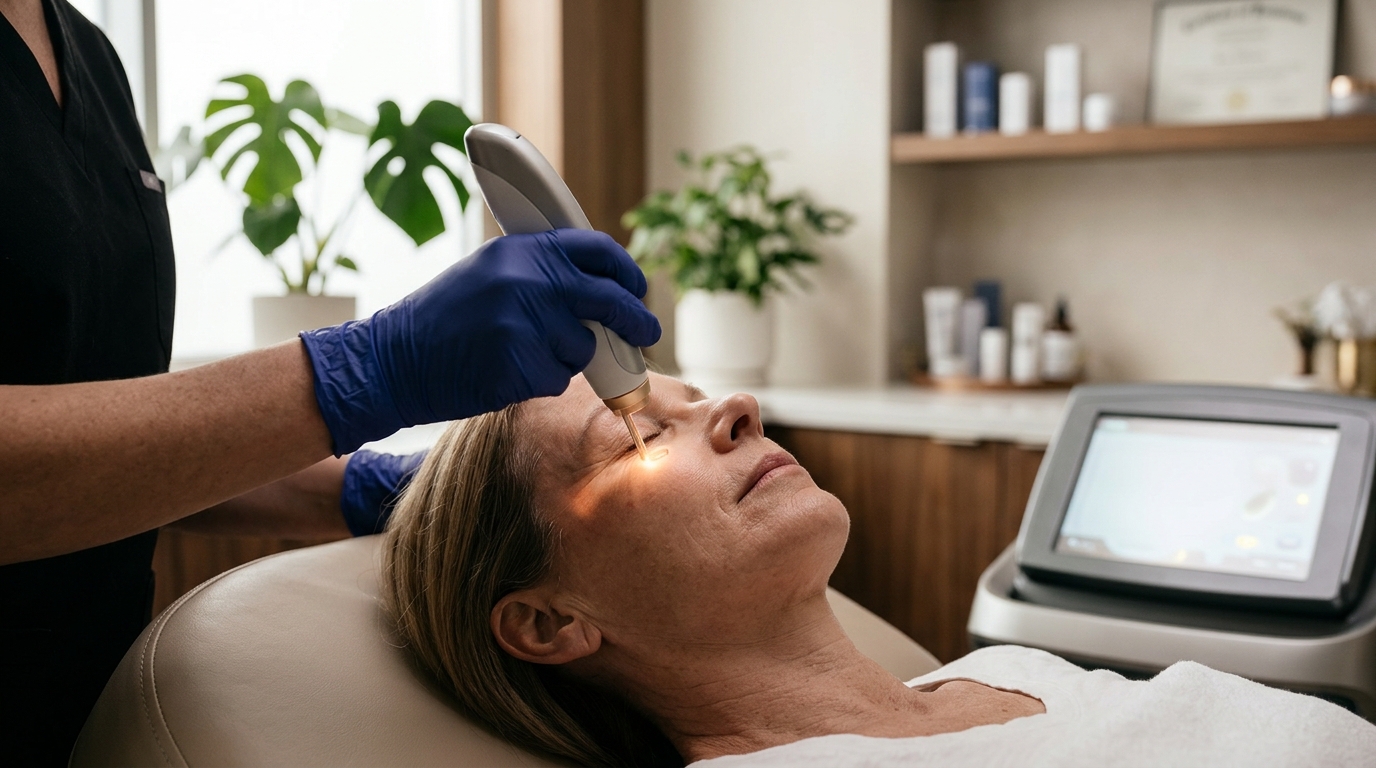
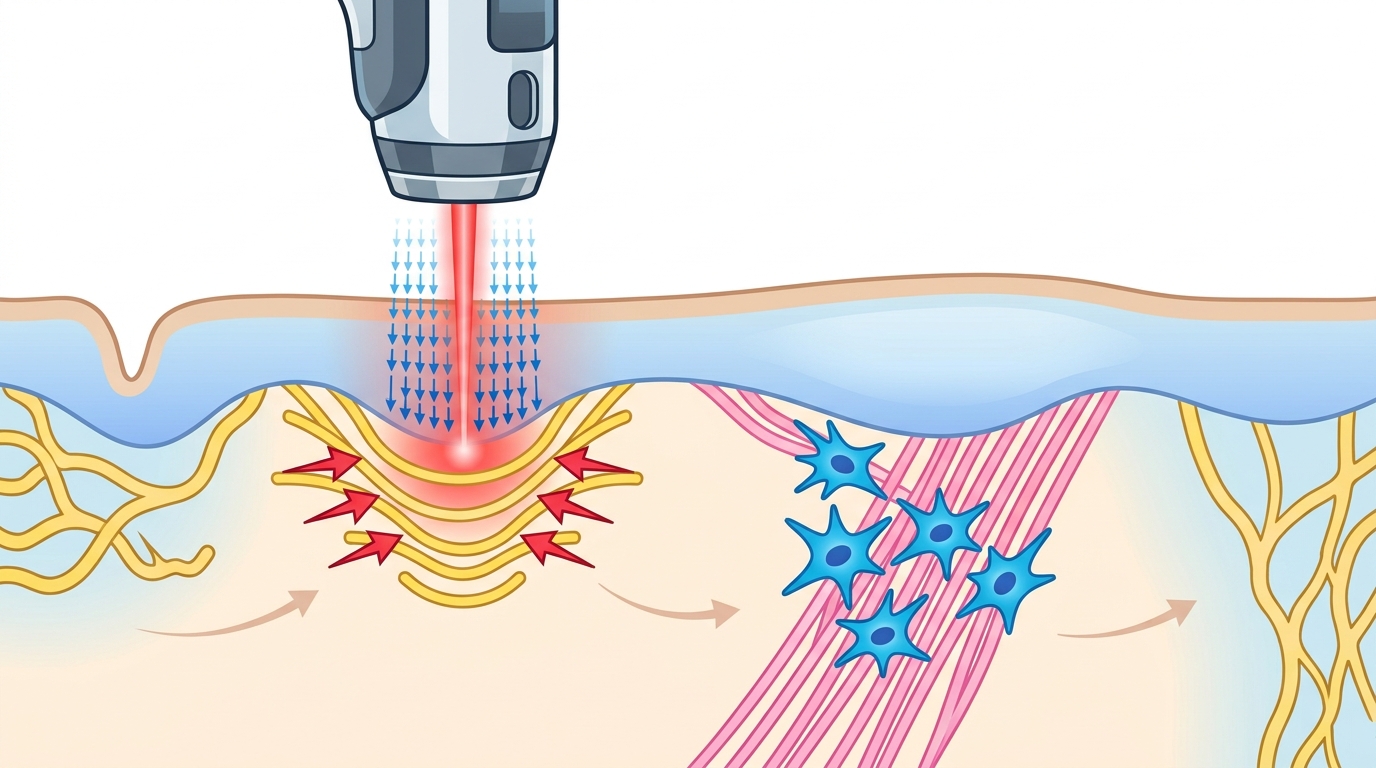
Laser resurfacing works by delivering precise heat to the skin. This heat causes immediate contraction of existing collagen fibers. Over the following months, the body initiates a wound healing response. This response triggers fibroblasts to produce new, organized collagen. The result is a thicker, more resilient dermis. This biological shift is what reduces the depth of wrinkles. For additional details, review the Customer Experience.
Traditional ablative lasers remove the epidermis entirely. Non-ablative lasers, which are often preferred in modern aesthetic practices, heat the dermis while leaving the surface intact. This distinction is critical for patient comfort. It allows for a faster recovery period. The thermal injury is controlled to maximize collagen synthesis without causing excessive scarring. For additional details, review the Frequently Asked Questions.
Addressing Wrinkles and Texture
Wrinkles form when the skin loses elasticity and volume. Laser resurfacing targets the structural integrity of the skin. It does not simply fill wrinkles with filler. Instead, it rebuilds the scaffold that supports the skin. This is particularly effective for fine lines around the eyes and mouth. It also improves uneven pigmentation and rough texture. For additional details, review the About.
For patients in Boulder, the dry climate can exacerbate skin dehydration and fine lines. Professional treatments help restore the skin barrier. By stimulating new collagen, the skin becomes better at retaining moisture. This leads to a plumper, more youthful appearance. The treatment addresses the root cause of aging rather than just masking symptoms.
Non-Surgical Alternatives in Modern Skincare
At Skin Care With Dory, we utilize advanced technologies like Jet Plasma and Microcurrent Therapy. These methods work on different principles than traditional lasers but achieve similar goals. They promote cellular turnover and muscle tone. This holistic approach ensures that the skin looks healthy from the inside out. You can learn more about our specific technologies by exploring our services page.
Recovery and Long-Term Maintenance
Recovery time varies depending on the intensity of the treatment. Non-ablative treatments typically require a few days of redness. Ablative treatments may require one to two weeks of healing. During this time, the skin is sensitive. Sun protection is non-negotiable. UV exposure can reverse the benefits of the treatment and cause hyperpigmentation.
Choosing the Right Treatment for Your Skin
Not all skin types respond the same way to laser energy. Darker skin tones require specific wavelengths to avoid pigment changes. A thorough consultation is essential before any procedure. The provider must assess your skin history, sun exposure, and current condition.
Personalization is the hallmark of effective skincare. At Skin Care With Dory, every treatment plan is tailored to the individual. We do not use a one-size-fits-all approach. We analyze your specific concerns and recommend the most appropriate technology. This ensures safety and maximizes efficacy. You can to schedule a consultation and discuss your goals.
Key Takeaways
- Laser resurfacing stimulates new collagen production to rebuild skin structure.
- The treatment addresses the root cause of wrinkles by thickening the dermis.
- Modern alternatives like Jet Plasma provide similar benefits without traditional laser risks.
- Sun protection is critical during and after any resurfacing treatment.
- Personalized consultation ensures the right technology for your specific skin type.
Frequently Asked Questions
Does laser resurfacing remove wrinkles completely?
No, it does not remove wrinkles completely. It significantly reduces their depth and appearance by stimulating collagen. The goal is to smooth the skin and restore elasticity, not to erase all signs of aging.
How long does the recovery period last?
Recovery depends on the type of laser. Non-ablative treatments may cause redness for a few days. Ablative treatments can require one to two weeks of healing. Your provider will give you a specific timeline based on your treatment plan.
Is laser resurfacing safe for all skin types?
Safety depends on the specific laser technology and the skill of the provider. Certain wavelengths are safer for darker skin tones. A professional consultation is necessary to determine the safest option for your skin.
How many sessions are needed for results?
Results vary. Some patients see improvement after a single session. Others may require a series of treatments for optimal results. Your provider will recommend a schedule based on your skin condition and goals.
Can I combine laser resurfacing with other treatments?
Yes, many treatments can be combined. For example, laser resurfacing is often paired with chemical peels or microcurrent therapy. Combining treatments can enhance overall results. Always consult with a professional to ensure compatibility. Learn more: Skincare Boulder Skincare Service.