

Preparing your skin for dermaplaning is essential for maximizing results and ensuring safety. By pausing certain skincare habits and products, you allow your skin barrier to stabilize before the procedure. This guide outlines the specific actions you should avoid in the days leading up to your appointment at Skin Care with Dory in Boulder.
1. Stop Using Retinoids and Retinol
Discontinue all retinoid products at least 3 to 5 days before your appointment. Retinoids accelerate cell turnover and can thin the outer layer of the skin. Using them too close to your treatment can increase sensitivity and the risk of irritation. Allow your skin to return to its baseline thickness to ensure a smooth and safe procedure.2. Stop Chemical Exfoliants
Avoid alpha hydroxy acids (AHAs) and beta hydroxy acids (BHAs) for at least 48 hours prior. Chemical exfoliants like glycolic acid or salicylic acid remove dead skin cells through dissolution. Combining this with the physical exfoliation of dermaplaning can compromise your skin barrier. Stopping these products helps prevent excessive redness and stinging during the session.3. Stop Physical Scrubs
Refrain from using gritty facial scrubs or harsh washcloths for 3 days before. Physical exfoliation creates micro-abrasions on the skin surface. Dermaplaning is itself a form of physical exfoliation, so layering these methods can lead to unnecessary trauma. Let your skin rest from mechanical friction to ensure it is ready for the blade.4. Stop Waxing or Threading
Do not wax, thread, or use hair removal creams on the face for at least one week prior. These methods remove hair from the root, which can cause follicular inflammation. Dermaplaning removes surface hair, but if your follicles are already irritated from recent waxing, the treatment may feel uncomfortable. Waiting a full week allows any sub-surface irritation to resolve completely.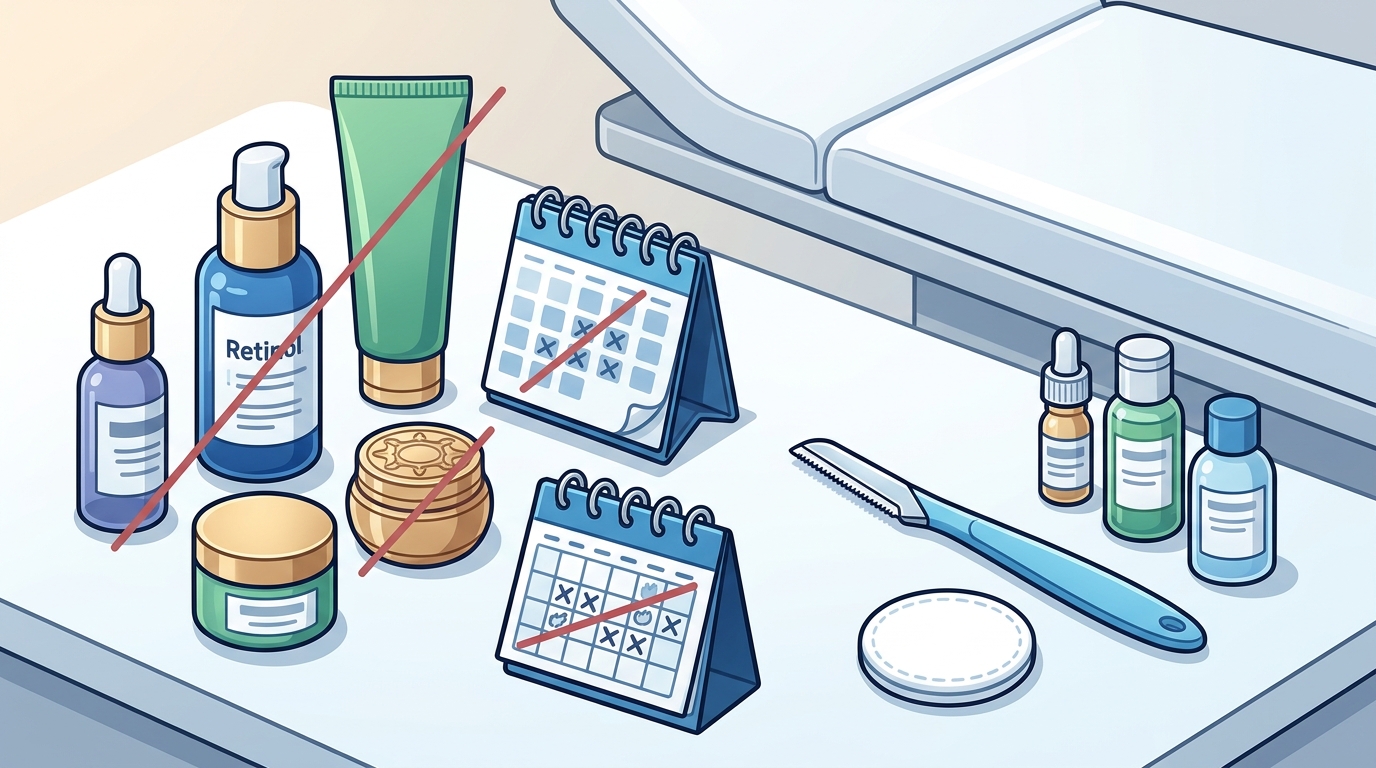
5. Stop Sun Tanning
Avoid intentional sun exposure and tanning beds for at least one week before. Ultraviolet radiation weakens the skin barrier and increases pigmentation. Dermaplaning on sun-damaged or tanned skin can lead to uneven results and heightened sensitivity. Protecting your skin from UV rays ensures a more even tone and safer treatment experience.6. Stop Active Acne Treatments
Pause strong acne-fighting ingredients like benzoyl peroxide or high-strength salicylic acid if you have active breakouts. If you are experiencing significant inflammation or open lesions, it is best to consult with your esthetician before proceeding. Dermaplaning is generally not recommended over active, inflamed acne. Stopping harsh treatments allows you to assess your skin's condition accurately.7. Stop Using Heavy Oils
Reduce the use of heavy facial oils or occlusive balms on the day of your appointment. While hydration is key, heavy oils can make the skin surface slippery and harder to treat. Arriving with clean, lightly moisturized skin allows the esthetician to work more effectively. This ensures the blade glides smoothly without slipping or tugging.Choosing the Right Pre-Treatment Protocol
The best approach is to simplify your routine. If you are unsure which products to pause, bring your current regimen to your consultation. Your esthetician can review your specific skin type and history to provide personalized guidance. This ensures you arrive with skin that is calm, hydrated, and ready for rejuvenation. For additional details, review the Best Facial in Boulder.
Frequently Asked Questions
Can I wear makeup to my dermaplaning appointment?
No, you should arrive with a clean face. Makeup can interfere with the treatment and needs to be removed thoroughly, which may irritate the skin if done aggressively. Arriving makeup-free saves time and ensures a cleaner start.
How long should I wait after dermaplaning before using retinol?
It is generally recommended to wait 24 to 48 hours before reintroducing active ingredients like retinol. Your skin is more sensitive immediately after the procedure, so allowing it to recover first prevents irritation. Follow the specific aftercare instructions provided by your esthetician.
Is dermaplaning safe for sensitive skin?
Yes, when performed by a professional, dermaplaning is safe for most skin types, including sensitive skin. However, you must avoid harsh products beforehand to prevent over-exfoliation. A consultation helps determine if you are a good candidate based on your current skin condition.
Will my hair grow back thicker after dermaplaning?
No, hair does not grow back thicker or coarser after dermaplaning. This is a common myth. The hair grows back with the same texture and density as before, but it may feel sharp initially because it is cut bluntly at the surface.
How often should I get dermaplaning?
Most clients schedule dermaplaning every 3 to 4 weeks. This aligns with the natural skin cell turnover cycle. Consistent treatments help maintain smooth texture and enhance product absorption over time.
Ready to Book Your Treatment?
Ensure your skin is prepared for optimal results by following these guidelines. Schedule your appointment with Skin Care with Dory today to experience the benefits of professional dermaplaning in Boulder.