
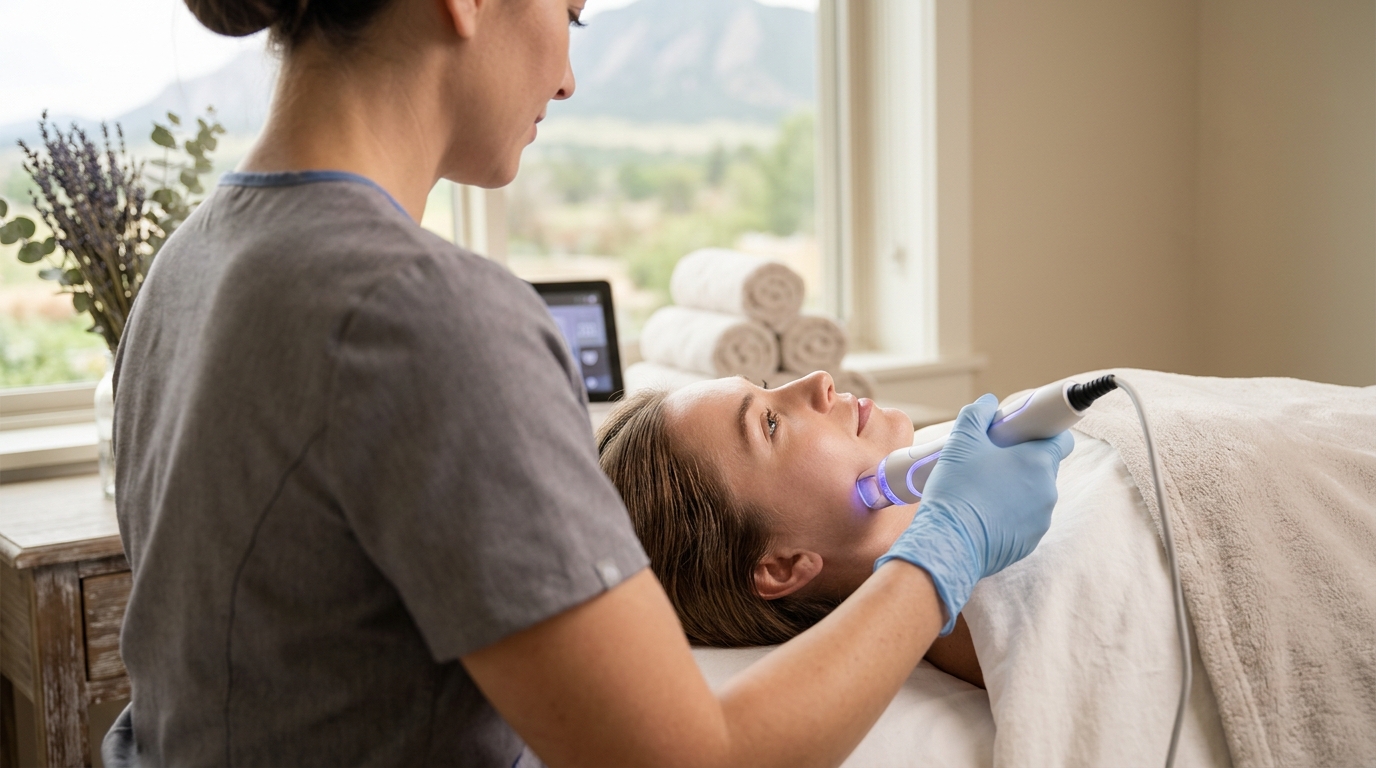
Jet Plasma is a non-invasive, cold plasma treatment that stimulates collagen without heat trauma, making it a viable option for sensitive skin. Because it operates at cooler temperatures than traditional fibroblast devices, it avoids the pain and downtime associated with hot plasma. However, sensitive skin requires careful preparation and professional assessment to ensure safety and optimal results.
The Science of Cold Plasma and Sensitive Skin
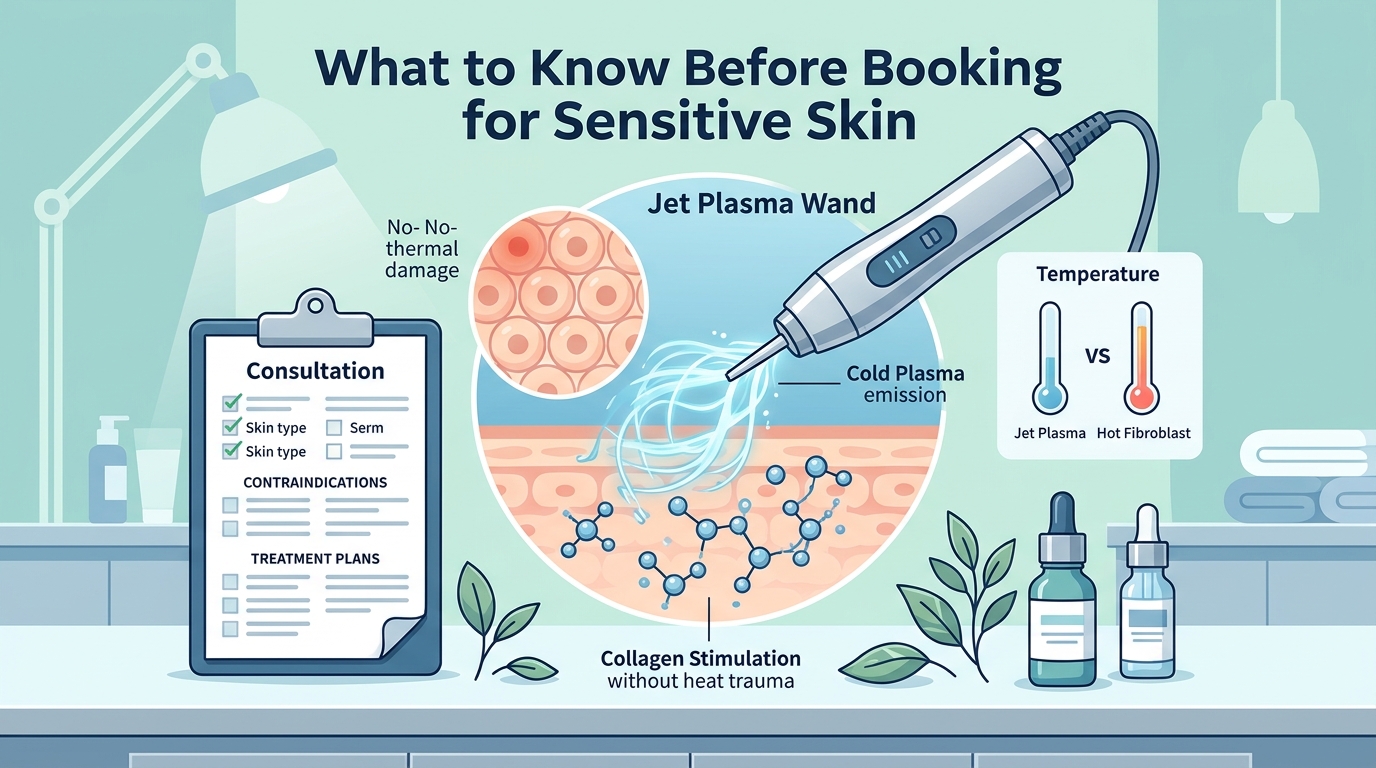
Jet Plasma is a technology that uses ionized gas to deliver energy to the skin's surface. Unlike traditional plasma fibroblast treatments that rely on high heat to create controlled burns, Jet Plasma utilizes cooler atmospheric plasma temperatures. This distinction is critical for individuals with sensitive skin, as heat is a primary trigger for inflammation and redness. By avoiding thermal trauma, the treatment minimizes the risk of exacerbating conditions like rosacea or eczema.
Research indicates that cold atmospheric plasma can modulate cellular responses without causing significant tissue damage. A study published in the journal Plasma Dermatology highlights how cold plasma interacts with skin cells to promote repair. For sensitive skin, this means the treatment can stimulate collagen remodeling while keeping the skin's barrier intact. The ozone generated during the process also helps calm inflammation, which is beneficial for reactive skin types.
Identifying Your Skin's Triggers
Before booking any advanced treatment, you must understand what triggers your skin's sensitivity. Sensitive skin is a condition where the skin reacts easily to external stimuli, such as weather changes, specific ingredients, or physical friction. Common triggers include extreme dryness, wind, and certain chemical exfoliants. If your skin is currently in a flare-up, such as active rosacea or a severe eczema patch, it is generally not a candidate for any in-office procedure.
At Skin Care with Dory, the consultation process focuses on identifying these triggers. Dory Johnson, the licensed esthetician, evaluates your skin's current state to determine if it is stable enough for treatment. If your skin is compromised, the focus shifts to barrier repair using gentle products before considering Jet Plasma. This approach ensures that the treatment supports your skin's health rather than stressing it.
Pre-Treatment Preparation for Reactive Skin
Preparation is the most critical step for sensitive skin clients. You should begin a gentle skincare routine at least two weeks before your appointment. This routine should focus on hydration and barrier support, avoiding any harsh actives like high-strength retinoids or strong acids. Stopping retinol products 7 to 10 days prior to the treatment is a standard recommendation to reduce sensitivity.
Hydration is key. Using a moisturizer that contains ceramides or similar barrier-repair ingredients helps fortify the skin. If you are using any prescription medications, such as Accutane, you must disclose this during your consultation, as these can affect healing. The goal is to arrive at the appointment with skin that is calm, hydrated, and free of active inflammation. This baseline stability allows the Jet Plasma treatment to work effectively without causing adverse reactions.
What to Expect During and After the Session
During the Jet Plasma session, you may feel a slight tingling or warmth, but it is not painful. The treatment is designed to be comfortable, even for those with low pain tolerance. After the session, your skin may appear slightly red or feel tight, but this is temporary. Because there is no heat trauma, there is no peeling or crusting associated with hot plasma treatments.
Post-treatment care is essential for sensitive skin. You should avoid sun exposure and use a broad-spectrum sunscreen daily. Gentle cleansing and moisturizing are the only requirements for the first few days. Avoiding makeup for 24 hours allows the skin to breathe and heal. If you notice any unusual irritation, contact your provider immediately. The results from Jet Plasma are gradual, with collagen remodeling continuing for 6 to 8 weeks after the treatment.
Choosing the Right Provider in Boulder
Not all providers are equipped to handle sensitive skin with the same level of care. You need a practitioner who understands the nuances of reactive skin and can adjust the treatment parameters accordingly. In Boulder, Jet Plasma treatments are offered by various spas, but the level of personalization varies. Look for a provider who offers a thorough consultation and has experience with non-invasive technologies.
At Skin Care with Dory, the focus is on personalized care and education. Dory Johnson works with each client to create a treatment plan that aligns with their skin's unique needs. This includes discussing home care routines and setting realistic expectations for results. The practice is located at 954 North Street in Boulder, Colorado, and offers a range of services designed to support long-term skin health.
Key Takeaways
- Jet Plasma is a cold plasma technology that avoids heat trauma, making it safer for sensitive skin.
- Ensure your skin is stable and free of active flare-ups before booking a treatment.
- Begin a gentle, hydrating skincare routine two weeks prior to your appointment.
- Stop using retinoids and harsh exfoliants 7 to 10 days before the session.
- Post-treatment care should focus on sun protection and gentle moisturizing.
- Choose a provider who offers personalized consultations and has experience with reactive skin.
Frequently Asked Questions
Is Jet Plasma painful for sensitive skin?
No, Jet Plasma is designed to be painless. It uses cold plasma, which does not create the heat trauma associated with traditional fibroblast treatments. Most clients report only a slight tingling sensation.
Can I get Jet Plasma if I have rosacea?
It depends on the severity of your rosacea. If your skin is in a stable phase and not actively flaring, Jet Plasma may be a good option. However, you must consult with a professional to assess your skin's current condition.
How long does it take to see results?
Immediate results include brighter and tighter skin. However, collagen remodeling continues for 6 to 8 weeks after the treatment, so the full benefits develop over time.
Do I need a series of treatments?
Yes, a series of treatments is recommended for optimal results. The number of sessions depends on your specific skin concerns and goals.
What should I avoid after the treatment?
Avoid sun exposure, harsh skincare products, and makeup for the first 24 hours. Use a gentle cleanser and moisturizer, and always wear sunscreen.
Where can I book Jet Plasma in Boulder?
You can book a consultation at Skin Care with Dory in Boulder, Colorado. They offer personalized assessments to determine if you are a good candidate.
Conclusion
Jet Plasma offers a promising solution for sensitive skin seeking rejuvenation without the risks of heat-based treatments. By understanding the science, preparing your skin properly, and choosing a qualified provider, you can achieve safer and more effective results. At Skin Care with Dory, we prioritize your skin's health and comfort, ensuring a personalized approach to advanced skincare. To begin your journey, to schedule a consultation. Learn more: Contact Us Hydrafacial Near.