
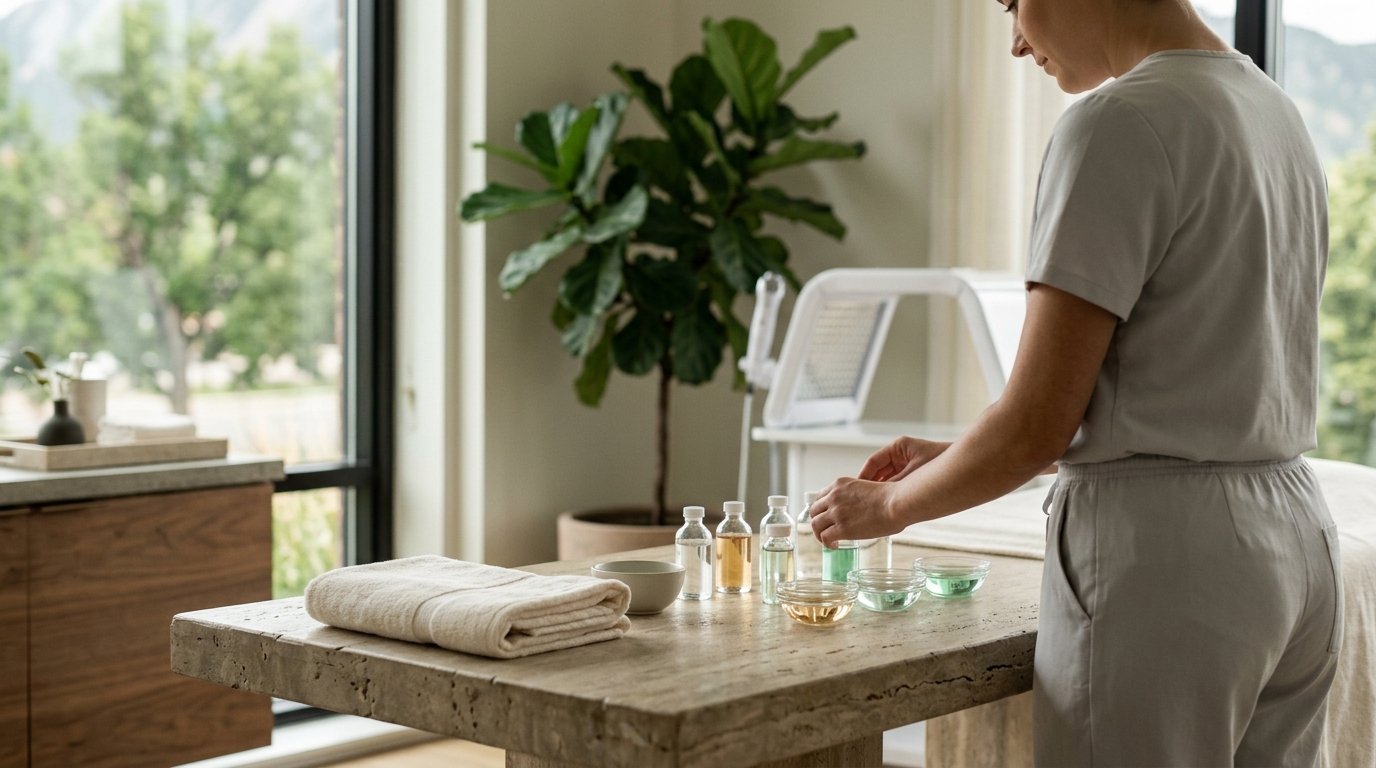
Choosing the right chemical peel depends on your specific skin concerns, tolerance for downtime, and desired outcomes. A chemical peel is a cosmetic procedure that uses a chemical solution to remove the damaged outer layers of the skin. At Skin Care with Dory in Boulder, we customize treatments to address issues like acne, hyperpigmentation, and fine lines. The correct choice balances efficacy with your lifestyle and skin sensitivity.
Understanding Peel Depth and Mechanism
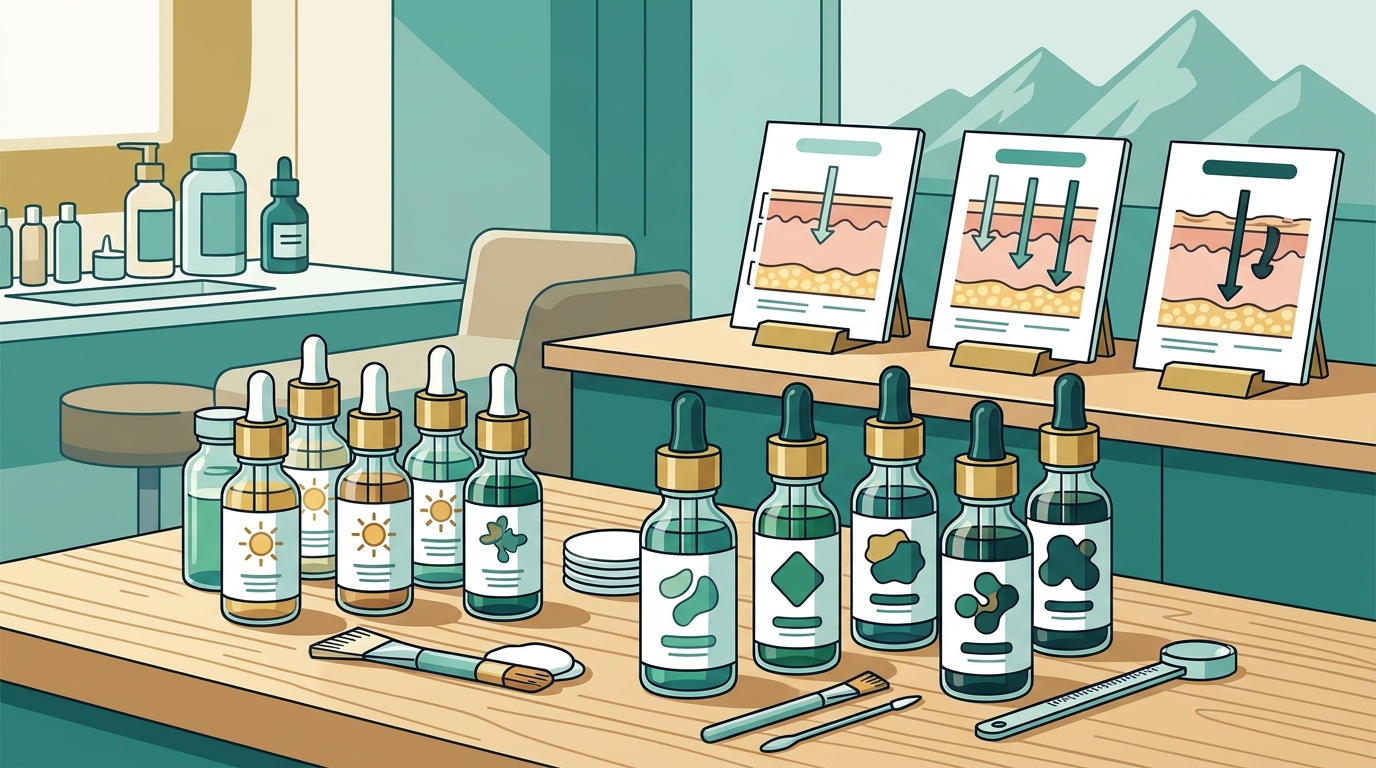
Chemical peels are categorized by how deeply they penetrate the skin. Superficial peels affect only the epidermis, the outermost layer. These treatments are often called "lunchtime peels" because they require minimal to no downtime. Medium-depth peels reach the upper dermis, targeting deeper pigmentation and texture issues. Deep peels penetrate the lower dermis, offering dramatic results but requiring significant recovery time.
The mechanism involves exfoliating the outer layers to stimulate cell turnover. This process evens skin tone and improves texture. Understanding these depths helps you set realistic expectations. A superficial peel might brighten dull skin, while a medium peel can address moderate scarring.
Common Chemical Agents and Their Uses
Different acids serve different purposes in skincare. Alpha Hydroxy Acids (AHAs) are water-soluble and derived from fruits or milk. They are ideal for surface-level concerns like dryness and uneven tone. Beta Hydroxy Acids (BHAs) are oil-soluble, making them effective for oily or acne-prone skin. Salicylic acid, a common BHA, penetrates pores to clear congestion.
Matching Peels to Specific Skin Concerns
Selecting a peel requires matching the agent to your primary concern. For acne and clogged pores, a salicylic acid peel is often the best choice. It dissolves the glue that holds dead skin cells together. For hyperpigmentation and sun spots, an AHA peel or a TCA peel may be more appropriate. These agents inhibit melanin production and accelerate the shedding of pigmented cells.
If your goal is anti-aging, a combination of AHA and BHA can improve fine lines and elasticity. Enzyme peels are a gentler alternative for sensitive skin. They use natural enzymes to exfoliate without the irritation of acids. This makes them suitable for those with rosacea or reactive skin. The right peel addresses your specific biological needs rather than following a one-size-fits-all approach.
Downtime, Safety, and Professional Application
Downtime varies significantly by peel depth. Superficial peels may cause mild redness for a few hours. Medium peels can result in peeling and redness for one to two weeks. Deep peels require several weeks of recovery. Safety is paramount, which is why professional application is critical. A licensed esthetician assesses your skin type and history before recommending a treatment.
Key Takeaways
- Chemical peels are categorized by depth: superficial, medium, and deep.
- AHAs are best for surface concerns like dryness and tone, while BHAs target pores and acne.
- Enzyme peels offer a gentle exfoliation option for sensitive or reactive skin.
- Downtime ranges from none for superficial peels to several weeks for deep peels.
- Professional assessment is essential to match the peel type to your specific skin goals.
- Proper aftercare, including sun protection, is crucial for maintaining results.
Frequently Asked Questions
What is the difference between an AHA and a BHA peel?
AHA peels are water-soluble and work on the skin's surface to improve texture and tone. BHA peels are oil-soluble and penetrate into the pores to treat acne and congestion. The choice depends on whether your primary concern is surface-level or pore-related.
How long does it take to see results from a chemical peel?
Superficial peels show immediate brightening, with full results appearing after a few days. Medium peels may take one to two weeks for the skin to fully heal and reveal new skin. Deep peels require several weeks for complete recovery and final results.
Are chemical peels safe for all skin types?
Not all peels are suitable for every skin type. Sensitive skin may react poorly to strong acids, making enzyme peels a better option. Darker skin tones require careful selection to avoid post-inflammatory hyperpigmentation. A professional consultation is necessary to determine safety.
Can I do a chemical peel at home?
Over-the-counter peels are available but are generally weaker than professional treatments. They are suitable for mild exfoliation but cannot address deep pigmentation or significant scarring. Professional peels offer higher concentrations and controlled application for better results.
How often should I get a chemical peel?
Frequency depends on the peel depth and your skin's response. Superficial peels can be done every four to six weeks. Medium peels are typically spaced three to six months apart. Your esthetician will recommend a schedule based on your skin's healing ability and goals.
Conclusion
Selecting the right chemical peel is a personal decision that requires professional guidance. By understanding the different types and their mechanisms, you can make an informed choice. At Skin Care with Dory, we provide customized treatments to help you achieve healthier, more radiant skin. Schedule a consultation to discuss your skin goals and find the perfect peel for your needs.